Vintage Old English: The Blackletter Font for Bold Branding
Sometimes, a project calls for a voice that is steeped in history, authority, and undeniable presence. You might be working on a craft project, like a leather-bound journal or a unique greeting card, and you need a typeface that feels as personal and storied as the object itself. Or perhaps you are a small business owner developing a brand identity for a craft brewery, a barbershop, or a specialty coffee roaster, and you need a font that communicates heritage and craftsmanship from the very first glance. This is where a blackletter font like Vintage Old English enters the conversation, offering a powerful tool for creating designs that demand attention and tell a story.
More Than Just a Historical Style
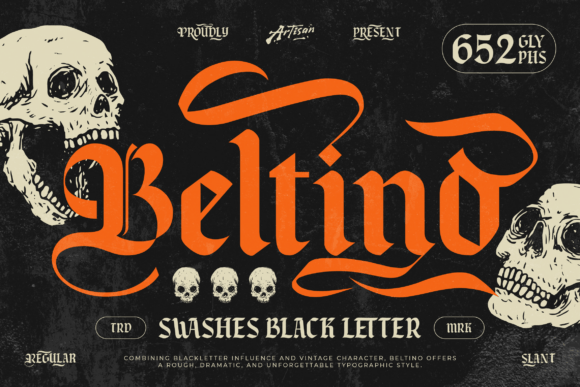
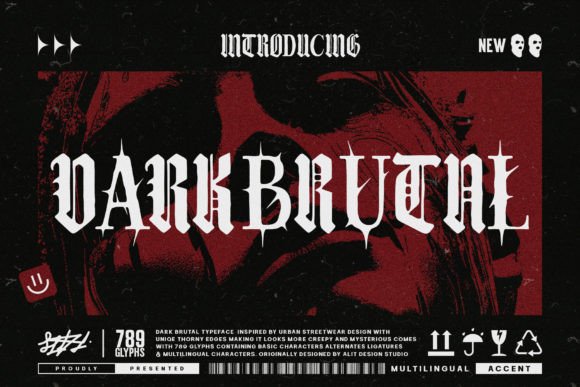
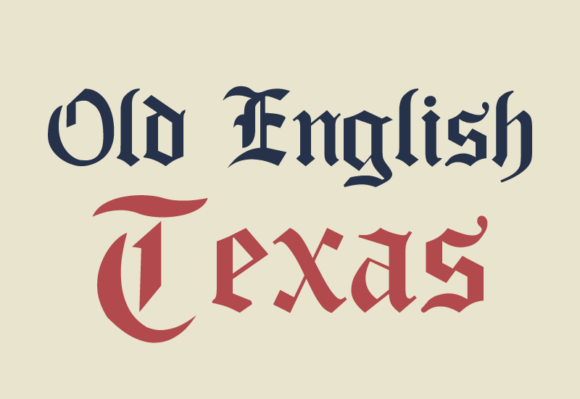
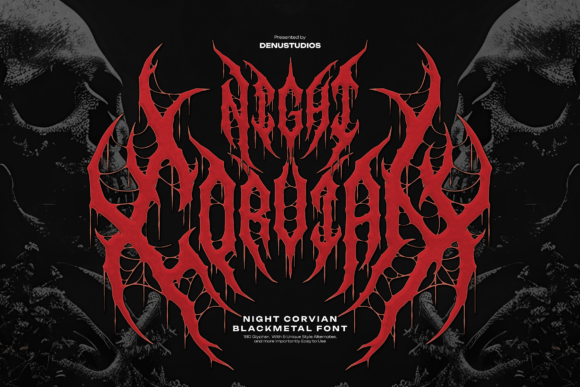
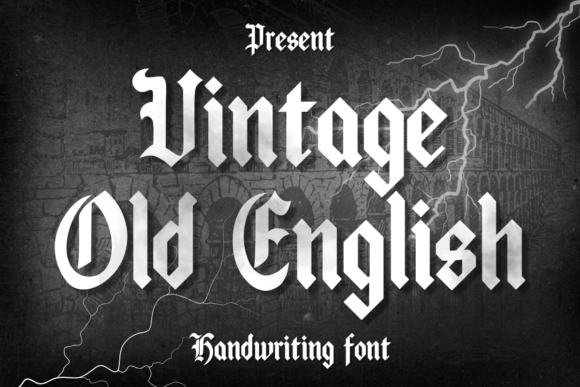
At its core, Vintage Old English is a blackletter typeface, a style of script that originated in Western Europe during the 12th century. Its visual characteristics are unmistakable: dense, ornate letterforms built from sharp, angular strokes and dramatic thick-to-thin contrasts. This isn't a font for body text on a website; it's a display font, engineered for impact in headlines, logos, and single-word statements. Its personality is one of tradition, formality, and a touch of the dramatic. While it evokes a sense of history, its application in modern design is anything but outdated. Think of it as a visual shortcut to conveying prestige, authenticity, or a rebellious edge, depending on how you use it.
The appeal lies in its texture and weight. In a world saturated with clean, minimalist sans serif fonts and elegant script fonts, the structured complexity of Vintage Old English provides a stark and compelling contrast. It fills space with visual interest, making it ideal for projects where the typography itself is a key design element. For a logo design, it can instantly establish a brand's character—whether that's a century-old pub or a modern streetwear label looking to tap into a classic aesthetic. For packaging design, it can elevate a product, suggesting artisanal quality or premium ingredients before the customer even reads the description.
Practical Applications for Creators and Brands
The versatility of a font like Vintage Old English often surprises people. Its traditional roots might suggest limited use, but its strength lies in its ability to be recontextualized. As a creative font, it bridges the gap between historical reference and contemporary application.
- Brand Identity & Logo Design: This is a natural fit. A blackletter font can form the cornerstone of a brand identity for businesses in sectors like brewing, distilling, grooming, boutique fashion, or even high-end tech that wants to project legacy. It works beautifully as a standalone wordmark or paired with a simple serif font or sans serif font for supporting text.
- Merchandise & Apparel: On stationery, mugs, tote bags, or shirts, Vintage Old English transforms everyday items into statement pieces. It's particularly effective for apparel, where a single word or phrase in this typeface can become a powerful graphic element. Think of band merchandise, sports team branding, or motivational apparel.
- Social Media & Digital Content: For social media graphics, especially on platforms like Instagram and Pinterest, this font can stop the scroll. Use it for bold quotes, announcement headers, or as part of a consistent visual template for your stories and posts. It adds a layer of sophistication or edginess that more common fonts lack.
- Print & Editorial Design: In editorial layouts, it can be used for chapter headings, magazine mastheads, or pull quotes. For invitations—to galas, weddings, or themed parties—it sets a formal or unique tone immediately. Similarly, in packaging design, it can grace the label of a craft spirit, a gourmet coffee bag, or a artisanal chocolate box.
- Web & Blog Design: While not for paragraphs, it can be strategically used in a website's hero section, for a blog's title graphic, or in call-to-action buttons to create a memorable visual anchor. Its high-contrast style can guide the user's eye effectively when used sparingly.
Integrating Vintage Old English into Your Workflow
Adopting a new typeface is more than just a download; it's about integrating a new voice into your design system. Here’s how to approach it effectively.
Understand the Font's Personality: Before you start, consider what "vintage" and "old English" mean for your specific project. Is it the formality of a legal document, the ruggedness of a blacksmith's sign, or the ornate elegance of a certificate? Let that guide your usage. A font like this often comes with stylistic alternates or different font styles (like a condensed or swash version)—explore these to find the perfect fit for your space and mood.
Master the Art of Font Pairing: The key to using a dramatic display font successfully is pairing it with a more neutral, readable counterpart. A classic approach is to pair Vintage Old English with a clean, geometric sans serif font for body text. This creates a clear hierarchy and ensures your content remains accessible. Alternatively, pairing it with a elegant, understated serif font can create a harmonious, traditional feel. Always test your pairings in context—on a mockup of your website, packaging, or social media template.
Prioritize Readability: Blackletter fonts are inherently less readable at small sizes or in long blocks of text than their serif or sans serif counterparts. Use Vintage Old English for short, impactful text: a company name, a headline, a single word. Never set a full paragraph in it. For digital use, ensure the font is rendered clearly at the intended size, and for print, request a proof to check ink spread on your chosen material.
Consider Commercial Licensing: This is a critical, practical step. If you're using the font for client work, merchandise for sale, or any commercial project, you must ensure you have the proper commercial font license. A premium font typically includes a license that covers these uses, but it's your responsibility to read and adhere to the terms. This protects both you and the font creator.
Ultimately, Vintage Old English is a powerful design asset. It’s not about slapping a trendy font on a project; it’s about making a deliberate choice to inject history, weight, and character into your visual communication. Whether you're crafting a personal diary, designing a logo for a new venture, or creating a line of merchandise, this blackletter font offers a way to connect with an audience on a visceral level, promising something deeper than the fleeting trends of modern typography. Use it thoughtfully, pair it wisely, and it can become the signature element that makes your work unmistakably yours.