Questland: The Hand-Drawn Typeface for Authentic Branding
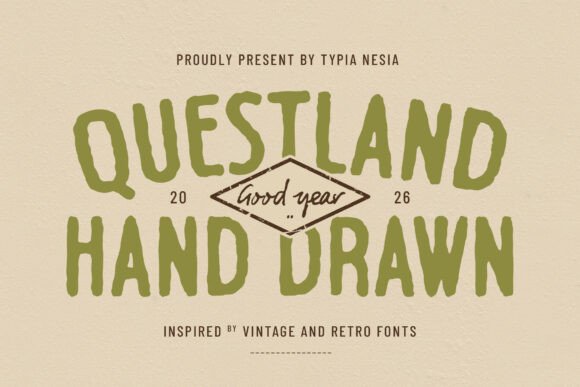
There’s a certain magic in a design that feels like it has a story to tell. It’s the kind of visual that doesn’t just sit on a page but seems to whisper of mountain trails, old leather journals, and sun-faded trail markers. This is the spirit captured in Questland, a rough vintage hand-drawn font designed to inject raw, authentic character into any creative project. It’s not just another typeface; it’s a tool for building a visual identity that feels grounded, adventurous, and deeply human.
More Than Just Letters: The Character of a Hand-Drawn Font
What sets a font like Questland apart in a sea of clean, digital typefaces? It’s all in the details. Imagine the slight imperfection of a letter drawn by hand with a worn marker or a chiseled tool. The textured strokes have a visible grain, and the edges aren’t perfectly smooth. This isn’t a flaw; it’s the soul of the font. This organic quality immediately communicates warmth, craftsmanship, and a connection to traditional methods. For a brand, this translates to trustworthiness and a story worth telling. It’s the difference between a sterile, corporate logo and one that feels like it was stamped on a vintage compass.
The rugged details and weathered finish give it a bold, commanding presence. This makes it a powerful display font, ideal for headlines and logos that need to make an immediate impact. It evokes classic Western aesthetics and outdoor adventure, making it a natural fit for projects centered on heritage, nature, craftsmanship, and a rugged lifestyle. Yet, its versatility allows it to adapt to modern contexts, offering a striking contrast to minimalist designs.
Where Does a Font Like This Belong? Real-World Applications
Understanding the personality of a typeface is one thing; knowing how to apply it effectively is another. The true value of a premium font like Questland is in its ability to solve specific design problems and elevate a brand’s narrative. Here’s where its unique character truly shines:
- Logo & Brand Identity: This is its core strength. A logo design using Questland instantly tells customers your brand is about adventure, authenticity, and quality craftsmanship. Think of a craft brewery, an outdoor gear company, a specialty coffee roaster, or a bespoke workshop. The font does the heavy lifting of brand storytelling before a single word of copy is read.
- Packaging & Labels: For products that want to stand out on a shelf or in an online store, textured typography is a game-changer. Use it on artisanal food packaging, cosmetic labels for natural products, or coffee bag designs. It adds a tactile, premium feel that digital-only brands often miss.
- Print & Editorial Design: Create captivating poster design for events, film titles, or book covers. In editorial design, it can be used for chapter headings in a magazine or as a pull-quote in a blog post about travel or history, adding visual interest and breaking up long blocks of text.
- Digital Presence: While primarily a display font, it can be used strategically on websites and social media. Think of a hero banner headline on a homepage, a striking Instagram quote graphic, or the title font for a YouTube channel focused on outdoor adventures. It grabs attention in a crowded feed.
- Merchandise & Apparel: This is where the font’s rugged spirit comes alive. It’s perfect for t-shirt designs, hat embroidery, tote bags, and stickers for brands in the adventure, fitness, or lifestyle space. The hand-drawn quality feels personal and exclusive.
Pairing and Practicality: Making Questland Work for You
A powerful display font is most effective when used thoughtfully. The key to professional brand identity is balance. Questland, with its strong personality, is best used for headlines, logos, and short bursts of impactful text. For body copy, readability is paramount. This is where font pairing becomes crucial.
Consider pairing Questland with a clean, highly legible sans serif font or a simple serif font. A modern sans serif like Montserrat or a classic serif like Lora can provide a calm, readable counterpoint to Questland’s energetic texture. This contrast ensures your message is communicated clearly while your visual branding remains bold and distinctive. Avoid pairing it with other ornate or script font styles, as this can create visual clutter and reduce overall readability.
Before finalizing your design, always test your font pairings in context. View your logo at different sizes—on a business card and a billboard mockup. Check your website headline on both a desktop monitor and a mobile phone screen. This testing phase is non-negotiable for ensuring your visual consistency across all platforms and materials.
Beyond the Aesthetics: The Business of Choosing a Font
For entrepreneurs and small business owners, every design asset is an investment. Choosing a commercial font like Questland comes with the assurance of proper licensing for your projects, whether for a client or your own brand. This is a critical, often overlooked, aspect of design assets. Using a font with the correct license protects you legally and supports the type designers who create these tools.
When you download a font family, take a moment to review all the included styles. Does it come with alternates, ligatures, or multiple weights? These features can add another layer of customization to your designs, allowing you to create unique letterforms for logos or special text treatments. Understanding the full toolkit at your disposal maximizes the value of your investment and fuels greater creativity.
Ultimately, the goal of any typography choice is to enhance communication and connection. A font like Questland doesn’t just spell out a name; it evokes a feeling. It helps build an emotional bridge with an audience that values authenticity, strength, and a story well told. By matching your typography to your project’s core goals, you move from simply making things look good to creating meaningful, engaging visual communication. It’s this strategic application that turns a good design into a powerful brand asset.