Funky Baby: A Vintage Handwritten Font for Bold Branding
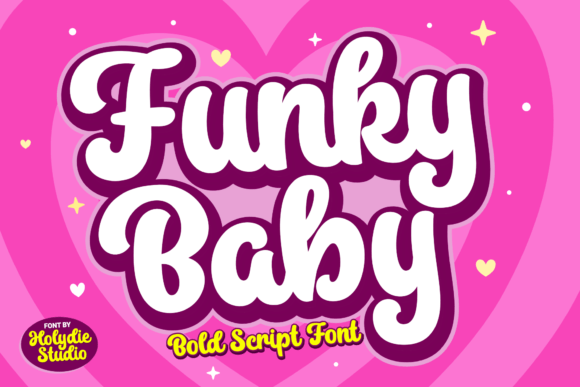
There's a particular charm to typography that feels both nostalgic and fresh—fonts that carry the warmth of hand-drawn lettering while maintaining the crispness needed for modern design. Funky Baby sits in that sweet spot, offering a vintage-inspired handwritten style with bold, confident strokes that demand attention without overwhelming a layout. Whether you're designing a bakery logo, crafting social media templates, or building out a complete brand identity, this typeface brings personality and visual depth to creative projects across the board.
What Makes This Typeface Stand Out
Funky Baby isn't just another script font collecting digital dust in your font library. Its characters are carefully balanced—each letterform flows into the next with intentional rhythm, creating words that feel cohesive rather than chaotic. The vintage aesthetic draws from mid-century hand-lettering traditions, where flourishes served a purpose and every curve had weight. That said, the overall effect is playful rather than stuffy, making it versatile enough for both whimsical and sophisticated applications.
One of the more practical features worth noting is the PUA encoding. For anyone who's ever struggled to access alternate glyphs, swashes, or stylistic variations in other fonts, this is a genuine time-saver. You can pull up every decorative element directly from your character map or design software without jumping through technical hoops. Those extra swashes and ligatures aren't just decorative afterthoughts—they're tools that let you fine-tune headlines, monograms, and logo marks with precision.
Where This Font Truly Shines
Think about the brands you remember most. Chances are, their visual identity includes typography that tells a story before you even read the words. Funky Baby works particularly well in contexts where personality and approachability matter. A handmade candle company, a boutique children's clothing line, a neighborhood coffee shop with a retro vibe—these are the kinds of brands where a font like this becomes an asset rather than just a design choice.
Here are some practical applications where this typeface performs well:
- Logo design: The bold weight and distinctive character shapes create memorable wordmarks that hold up at various sizes, from storefront signage to favicon dimensions.
- Packaging design: On product labels, box designs, and wrapping materials, the handwritten quality adds a tactile, artisan feel that resonates with consumers looking for authenticity.
- Social media graphics: Instagram stories, Pinterest pins, and Facebook headers benefit from fonts that stop the scroll. The vintage flair here pairs well with both photography and illustrated backgrounds.
- Invitations and event materials: Wedding invitations, baby shower cards, birthday party details—any occasion that calls for warmth and celebration gets an instant lift.
- Website headers and hero sections: Used sparingly for headlines and call-to-action text, it draws the eye without sacrificing the readability of body copy set in a complementary sans serif font.
- Merchandise and print materials: Tote bags, mugs, posters, and greeting cards all benefit from display fonts with strong visual presence.
- Digital products: E-book covers, course thumbnails, downloadable planners, and worksheet designs gain a polished, cohesive look when the typography aligns with the content's tone.
Pairing Typography for Maximum Impact
A single font rarely carries an entire design project on its own. The real magic happens when you pair Funky Baby with typefaces that complement rather than compete. Because it carries so much visual energy, it works best as a headline or accent font rather than for long paragraphs of body text. Think of it as the lead vocalist—the supporting band needs to be tight and understated.
A clean sans serif font like Montserrat, Lato, or Open Sans provides excellent contrast for body copy and secondary text. The geometric simplicity of these modern typefaces balances the organic curves of the handwritten style. If your project leans more editorial or classic, a light serif font such as Playfair Display or Cormorant Garamond can create an elegant tension that feels intentional and refined.
When testing font pairings, create a simple mockup with your headline in Funky Baby and your supporting text in your chosen companion font. Print it out or view it at actual size on screen. Does the hierarchy feel natural? Can you immediately distinguish the headline from the body copy? If the two fonts feel like they're competing for attention, try adjusting the size, weight, or spacing of one or both.
Readability and Practical Considerations
Every creative font walks a line between expression and legibility. Funky Baby leans toward the expressive side, which means context matters. At large sizes—think poster headlines, logo lockups, and banner text—the characters are clear and distinctive. At smaller sizes, particularly in dense blocks of text, readability can decrease. This isn't a flaw; it's simply a characteristic of handwritten display fonts in general.
A good rule of thumb: if your audience needs to read the text quickly and effortlessly, reserve this typeface for display purposes and choose a more neutral option for supporting content. For projects where atmosphere and mood matter more than rapid comprehension—like a vintage-style poster or an artisan product label—this font does exactly what you need it to do.
Spacing also plays a role. Handwritten fonts sometimes benefit from slightly increased letter-spacing, especially in all-caps applications. Experiment with tracking adjustments in your design software to find the balance between the font's natural personality and the clarity your project requires.
Licensing and Commercial Use
Before using any premium font in client work or commercial products, reviewing the licensing terms is essential. Most professional typefaces, including creative fonts like this one, come with specific guidelines about how many users or devices can install the font, whether it can be embedded in digital products, and what counts as commercial use. If you're designing for a client, make sure the license covers their intended use. If you're selling digital products that include the font files, verify that the license permits redistribution or embedding.
Taking a few minutes to read the licensing documentation upfront saves headaches later. It also ensures that the designers and foundries who create these typefaces are fairly compensated for their work, which keeps the creative ecosystem healthy for everyone.
Building a Cohesive Visual Identity
Typography is one of the most powerful tools for establishing brand recognition. When a potential customer sees consistent font choices across your website, packaging, social media, and printed materials, they begin to associate that visual language with your business. Funky Baby, with its distinctive vintage character, can anchor a brand identity that feels warm, creative, and memorable.
The key is consistency. Choose two to three fonts maximum—one for headlines, one for body text, and optionally one for accents—and stick with them across every touchpoint. Document your choices in a simple style guide that includes font names, sizes, colors, and usage rules. This isn't just for large companies with design teams; even solo entrepreneurs and small business owners benefit from having a reference that keeps their visual communication aligned.
When you find a typeface that genuinely reflects the personality of your brand, every piece of content you create reinforces the story you're telling. That's the real value of investing time in typography—it's not just about making things look good. It's about making them feel right, consistently, across every interaction your audience has with your work.