Why The Disney Font Feels Like a Handwritten Fairytale
Imagine capturing that specific, heartwarming feeling of a storybook ending in a single visual element. That is the power of typography, and few typefaces achieve it quite like The Disney. This whimsically handwritten design does not just spell out words; it evokes an immediate emotional response. In a market saturated with aggressive sans-serif fonts and rigid geometric shapes, this script font offers a breath of fresh air. It effortlessly embodies simplicity, proving that you do not need complex ligatures or chaotic swashes to create a memorable brand voice. For designers, entrepreneurs, and creative spirits alike, understanding how to harness this specific style of modern typography can transform a standard project into something truly magical.
The Visual Rhythm of a Sunset
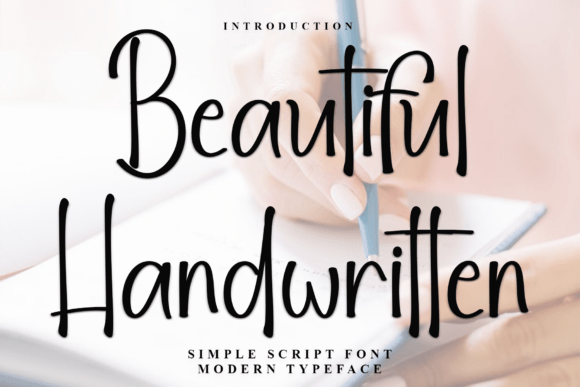
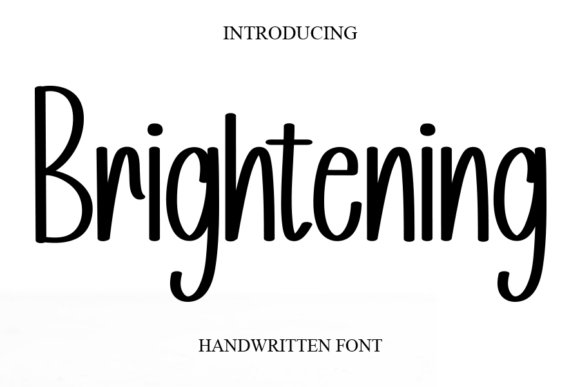
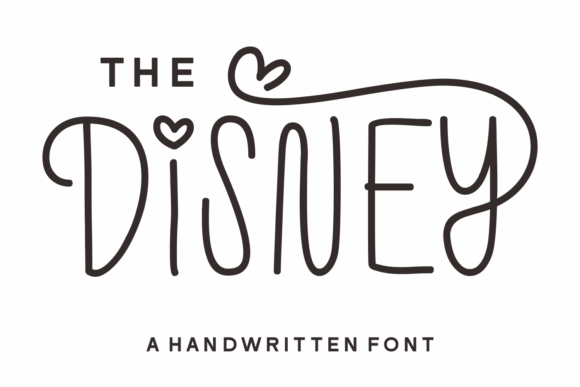
When you look closely at the anatomy of The Disney, you notice a distinct flow. Each stroke resonates with a serene, rhythmic quality, much like the calm beauty of a sunset fading into the horizon. Unlike traditional calligraphy that can sometimes feel stuffy or overly formal, this typeface utilizes a continuous monoline style. This means the thickness of the line remains consistent from the capital letters to the lowercase punctuation. This consistency is what gives the font its universally elegant touch. It creates a sense of continuity and connection between letters, making the text feel like it was written in a single, fluid breath. For anyone involved in visual communication, this characteristic is gold. It allows the typography to sit comfortably in the background when necessary, or step into the spotlight as a headline hero, without ever feeling disjointed or messy.
Storytelling Through Typography
Great design is essentially storytelling without words, but the words you choose—and how you display them—matter immensely. The Disney Font acts as an essential tool for the craft of storytelling. It bridges the gap between digital precision and human touch. In an era where audiences crave authenticity, a handwritten font style can make a brand feel more accessible and less corporate. Think about the difference between a generic "Thank You" printed in Arial versus the same sentiment written in a fluid, connected script. The latter feels personal; it feels like a note from a friend.
This is particularly vital for content creators and small business owners. Whether you are selling artisanal candles, running a lifestyle blog, or designing wedding stationery, your typography sets the mood before the reader even processes the meaning of the sentence. This font style suggests whimsy, care, and creativity. It tells your audience that you value aesthetics and that there is a human being behind the screen or the product packaging.
Practical Applications for Modern Creators
While the aesthetic is dreamy, the application needs to be practical. The versatility of The Disney makes it a premium font choice for a wide array of projects. Because of its clarity and monoline structure, it avoids the common pitfall of many script fonts: illegibility. This makes it a viable option for more than just headers.
Here is how you can integrate this creative font into your daily workflow:
- Branding and Logo Design: If you are building a brand identity for a boutique, a bakery, or a creative agency, this font serves as a fantastic primary or secondary logo typeface. It conveys friendliness and approachability.
- Packaging Design: On physical products, this font adds a tactile quality. It looks beautiful on labels for cosmetics, food items, or stationery, suggesting that the product inside is handcrafted with care.
- Social Media Graphics: In the fast-scrolling world of Instagram or TikTok, a handwritten script cuts through the noise. Use it for quotes, announcements, or overlay text on Reels to add a layer of personality that standard sans-serif fonts lack.
- Invitations and Editorial Layouts: For event invitations, save-the-dates, or magazine headers, the font provides a touch of elegance without the stuffiness of traditional serif fonts.
- Web Design and Blogs: Use it sparingly for call-to-action buttons or section headers to guide the reader’s eye and break up the monotony of body text.
Strategic Typography: Beyond Just "Pretty"
Choosing a font is rarely just about what looks good in a vacuum; it is about strategy. When you select The Disney for a project, you are making a deliberate choice to improve visual consistency and brand recognition. A unique typeface helps your audience identify your content instantly, even before they see your logo. This is a crucial component of building a strong brand identity.
Furthermore, readability is the silent killer of bad design. Many decorative fonts sacrifice legibility for style. However, the continuous monoline nature of this design ensures that it remains readable at various sizes. This is vital for marketing assets where the message must be understood instantly. Whether it is a billboard or a mobile screen, the clean lines of this font ensure your message lands effectively, improving audience engagement simply by being easy to read.
Integrating The Disney into Your Design Toolkit
For the designer or entrepreneur looking to upgrade their assets, incorporating a font like this requires a bit of finesse. It is not just about dropping it onto a canvas; it is about creating harmony.
Mastering Font Pairing
A whimsical script font rarely works well in isolation, especially for longer paragraphs. The secret to professional presentation is font pairing. Because The Disney has a lot of character and movement, it pairs best with something grounded and neutral. Consider combining it with a clean sans serif font for body text. The contrast between the fluid, handwritten header and the structured, modern body text creates a visual hierarchy that is pleasing to the eye. Alternatively, pairing it with a simple, robust serif font can create a classic, timeless look suitable for editorial design.
Context and Commercial Licensing
Before you finalize a design for a client or your own merchandise, always review the technical details. Does the font include the specific glyphs you need? Does it support multiple languages if you are targeting an international audience? Most importantly, you must understand commercial licensing. If you plan to use this font on products for sale—such as t-shirts, mugs, or digital downloads sold on Etsy—you need to ensure your license covers commercial use. Respecting these guidelines is part of being a professional designer and protects your business legally.
Testing for the Real World
Never judge a font solely by the preview image on a sales page. Download the files and test them in your specific environment. Type out your actual brand name or a sample paragraph. Check the spacing (kerning) between tricky letter combinations. Print it out on paper to see how the ink sits, or view it on a mobile phone to check screen rendering. This "test drive" phase is non-negotiable. It ensures that the "serene beauty" of the font translates into real-world application without technical hiccups.
Ultimately, adding a versatile, whimsical typeface to your library is an investment in your creative potential. It offers a way to inject warmth and personality into digital and physical spaces that often feel cold and impersonal. Whether you are a seasoned brand strategist or a hobbyist exploring new creative outlets, the right typography changes the conversation. It allows you to craft narratives that resonate, ensuring your designs are not just seen, but felt.