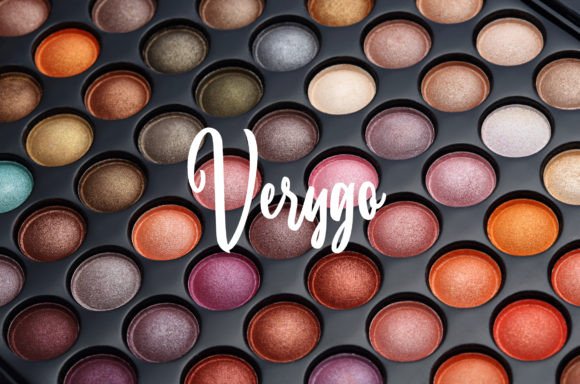
Pletty Book: A Script Font for Modern, Polished Design
There’s a particular kind of design challenge that comes up constantly: finding a typeface that feels personal and elegant without looking dated or overly whimsical. You need something that conveys craftsmanship and warmth, but also fits within a clean, contemporary layout. This is the sweet spot where Pletty Book excels. It’s an elegant script font that bridges the gap between traditional calligraphic charm and modern simplicity, offering a balanced, versatile tool for a wide range of creative work.
Understanding the Font’s Visual Character
At its core, Pletty Book is a script font with a distinct personality. Unlike some handwritten fonts that prioritize raw, textured strokes, or formal scripts that can feel stiff, Pletty Book is designed with impeccable form. The letterforms are neither too thin nor too thick, creating a comfortable visual weight that holds its own in headlines but doesn’t overwhelm smaller text. This balance is key to its versatility.
The font carries a contemporary atmosphere, meaning it avoids the ornate flourishes of vintage scripts. Instead, it offers clean connections and a rhythmic flow that feels modern. This makes it an excellent display font for projects where you want to inject personality without sacrificing professionalism. The included PUA encoding is a practical feature, giving you direct access to all glyphs, swashes, and alternate characters without needing specialized design software. This means more creative freedom for everyone, from seasoned designers to small business owners using platforms like Canva or Adobe Express.
Where Pletty Book Truly Shines: Practical Applications
The real value of a premium font like this is measured in its application. Where does this particular style of modern typography deliver the most impact?
Brand Identity and Logo Design: For businesses that want to project approachability, creativity, or artisanal quality, Pletty Book can be a cornerstone of the brand identity. Think of a boutique bakery, a custom stationery shop, a personal coach, or a lifestyle blog. Using it for the primary logo or as a secondary accent font can instantly establish a friendly, crafted feel. The key is to ensure it’s paired wisely—more on that later.
Editorial and Packaging Design: In editorial design, such as magazine features or book covers for memoirs and fiction, this script font can add a touch of intimacy to chapter titles or pull quotes. Similarly, in packaging design, it works beautifully for product names on labels for artisanal goods, cosmetics, or gourmet foods, suggesting care and quality.
Digital Presence and Marketing: Your social media graphics and website are often the first point of contact. Using Pletty Book for key headlines on Instagram posts, Pinterest pins, or website banners can stop the scroll and communicate your brand’s voice visually. It’s also highly effective for creating cohesive marketing assets like email headers, promotional flyers, and digital product covers. The legibility of the font at various sizes is crucial here—it needs to read clearly on a phone screen as well as on a printed poster.
Making Smart Typography Choices for Your Project
Choosing a font is just the first step. Using it effectively is what separates good design from great design. Here’s some practical advice for integrating a typeface like Pletty Book into your workflow.
Pairing with Purpose: A script font rarely works well in isolation for body text. The most common and effective approach is to pair it with a clean, neutral sans serif font or a timeless serif font. For example, use Pletty Book for your main headline, and set your subheadings and body copy in a font like Lato, Open Sans, or Merriweather. This creates hierarchy, ensures readability, and lets the script font’s personality shine without causing visual clutter. Always test your pairings on a mockup of your final project—what looks good in a font preview might feel unbalanced in a full layout.
Readability is Non-Negotiable: While Pletty Book is designed for clarity, script fonts inherently require more careful consideration. Avoid using it for long paragraphs of text or at very small sizes, especially on low-resolution screens. Reserve it for impactful moments: a hero statement, a product name, a signature, or a call-to-action button where its elegance can be appreciated without straining the reader’s eyes.
Leverage the Full Character Set: Because the font is PUA encoded, take time to explore all the alternates and swashes in your font management tool or design software. Swashes can add a beautiful, custom flourish to the beginning or end of a word, perfect for logos or wedding invitations. Alternate letterforms can help avoid repetitive shapes in a single word, making the typography look more natural and hand-lettered.
Aligning Font Choice with Brand and Audience Goals
Ultimately, typography is a silent ambassador for your message. The choice of a creative font like Pletty Book should be a strategic one, rooted in your project’s goals and your audience’s expectations.
Ask yourself: What emotion or idea should this design communicate? Pletty Book leans toward elegance, creativity, and a personal touch. It’s less suited for corporate finance reports or highly technical documentation, but it’s ideal for industries like beauty, fashion, food, arts, events, and personal services. It helps build brand recognition by creating a distinctive visual signature that people can associate with your business.
For small business owners and content creators, using a consistent, high-quality commercial font across all touchpoints—from your website to your merchandise—is a simple way to elevate your professional presentation. It shows attention to detail and helps build trust. Before finalizing, always double-check the font’s license to ensure it covers your intended use, whether for digital products, print-on-demand items, or client work.
In the end, a font like Pletty Book isn’t just a collection of letters. It’s a design asset that, when used thoughtfully, can enhance the beauty of your projects, strengthen your visual communication, and help you connect with your audience on a more human level. It’s about finding the right tool for the job and using it with intention.