Linda: A Font That Commands Attention for Bold Brands
There’s a particular kind of project that demands more than just legible text—it requires a statement. You’re designing a logo for a new boutique, creating the cover for a limited-edition product, or crafting an invitation for an exclusive event. The standard fonts feel safe, but safe isn’t what you’re after. You need a typeface with presence, one that acts as a visual anchor and defines the mood of your entire design. This is where a well-crafted display font enters the conversation, not just as a tool for setting words, but as a central element of your creative vision.
Understanding the All-Caps Aesthetic
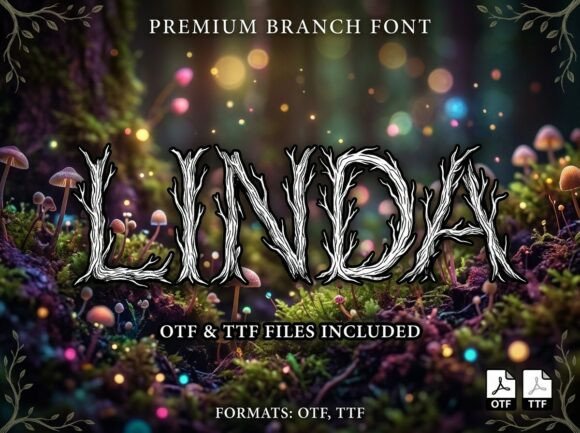
The Linda font is a prime example of a decorative display typeface built for impact. Its character isn't derived from subtle serifs or clean sans-serif lines, but from unique artistic flourishes and a strong, confident personality. Every letterform is designed to be a miniature work of art, which is why it’s an all-caps typeface. This is a crucial detail for any designer or creator to understand upfront. The absence of lowercase letters isn't a limitation; it's a deliberate stylistic choice. This font is engineered for situations where you want every word to feel monumental—think bold headlines, artistic logos, and creative packaging where the typography itself becomes the focal point.
Using an all-caps display font like Linda effectively means embracing its nature. It’s not the right choice for body copy or lengthy paragraphs. Its strength lies in short, powerful bursts of text. When applied correctly, it can instantly elevate a design from ordinary to memorable, providing that professional and polished finish that separates amateur work from compelling visual communication.
Where This Typeface Truly Shines: Practical Applications
Let's move beyond theory and talk about real-world use. Where does a font with this much personality deliver the most value?
- Brand Identity & Logo Design: For brands that want to convey luxury, creativity, or a bold, avant-garde edge, Linda can become the cornerstone of a visual identity. It’s particularly effective for boutique brands, creative agencies, lifestyle products, or any business where the brand story is about uniqueness and artistry. A logo set in this font doesn’t just name the company; it declares its character.
- Packaging & Product Design: On a shelf crowded with products, packaging needs to grab attention in a split second. Linda is perfect for product names, edition labels, or key features on boxes, bottles, and tags. It adds a layer of perceived value and craftsmanship, making a product feel special before it’s even opened.
- Editorial & Poster Design: Magazines, book covers, and event posters thrive on striking headlines. This font can set the tone for an entire editorial layout, whether it’s for a fashion spread, a music festival poster, or a gallery exhibition announcement. It commands the reader's eye and establishes the theme immediately.
- Digital Presence & Social Media: In the fast-scrolling world of social media, a static post with generic text gets ignored. Using Linda for key phrases in Instagram graphics, YouTube thumbnails, or Pinterest pins can stop the scroll. It helps create a consistent, recognizable aesthetic for your social media graphics, turning your feed into a cohesive visual story.
- Invitations & Special Projects: For wedding stationery, milestone birthday invitations, or launch event materials, the font choice sets the entire tone. Linda brings a sense of occasion and artistic flair, perfect for projects that are meant to feel exclusive and custom-designed.
Integrating Linda Into Your Design Workflow
Acquiring the font is just the first step. To use it effectively, consider these practical points:
Pairing with Purpose: A strong display font needs a supporting cast. The key to successful font pairing is contrast. Linda, with its decorative nature, pairs exceptionally well with clean, neutral sans serif fonts or simple serif fonts for body text or secondary information. This contrast ensures your headline pops while remaining readable. Avoid pairing it with other highly stylized fonts, like ornate script fonts, as this can create visual chaos.
Readability is Paramount: Because it's decorative, always test readability at the actual size it will be used. A headline on a poster viewed from a distance has different requirements than a logo on a business card. Ensure the letter spacing (tracking) is appropriate; sometimes a slight increase can enhance legibility for all-caps text. The goal is artistic impact, not a puzzle for your audience to decipher.
File Formats & Compatibility: The package includes both OTF and TTF files. For most modern design software (like Adobe Creative Suite, Affinity, or Figma), the OTF file is the professional standard, often containing more advanced typographic features. The TTF file ensures universal compatibility across all devices and operating systems, which is essential if you’re distributing final files to clients or for use in web design.
Licensing Clarity: Before using any premium font in a commercial project, always review the license. Understanding what is permitted—whether for a single client project, unlimited merchandise, or digital products—is a fundamental part of professional practice. It protects you, your client, and the font’s creator.
A Tool for Specific Creative Challenges
Think of Linda not as a font for everything, but as a specialized tool in your design toolkit. It’s the answer when a project calls for a strong visual personality. It’s for the creative entrepreneur building a brand that stands apart, the content creator developing a signature style, or the designer tasked with creating a high-impact marketing asset.
The right typeface does more than spell words; it conveys emotion, quality, and intent. By understanding its strengths—its all-caps nature, its decorative flair, and its intended applications—you can leverage Linda to create designs that don’t just communicate a message but make a lasting impression. It’s about matching the tool to the task, ensuring your typography works as hard as the rest of your design to achieve your goals.