Grunge Groovy: Where Vintage Distress Meets Retro Soul
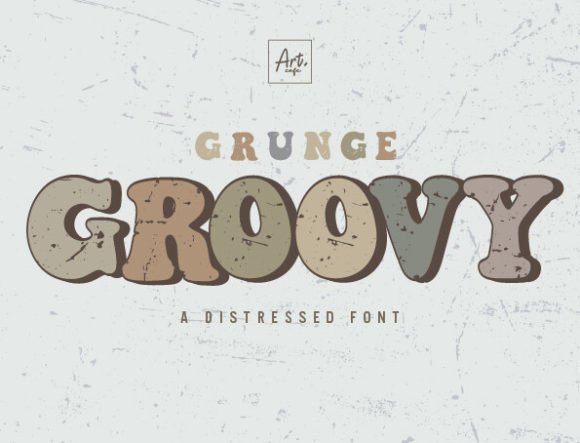
There's a particular kind of magic in designs that feel lived-in—textures that whisper stories, letterforms that carry the weight of decades, and aesthetics that refuse to look sterile. If you've ever found yourself drawn to album covers from the late '60s, weathered movie posters, or the gritty charm of old magazine ads, you already understand the pull of distressed typography. Grunge Groovy channels that energy directly into a typeface that balances raw, textured edges with the unmistakable swagger of retro lettering. It's not just a font; it's a mood, a statement, and a creative tool that bridges the gap between yesterday's analog warmth and today's digital design needs.
What Makes This Typeface Stand Out in a Crowded Market
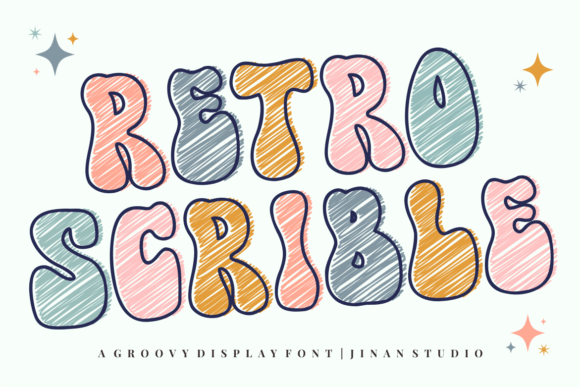
Most distressed fonts lean heavily into one direction—either they're gritty and aggressive or they're smooth and retro. Grunge Groovy refuses to pick a side. The letterforms carry a groovy, rounded sensibility rooted in the typography of the '60s and '70s, but every stroke is kissed with a rough, worn texture that adds instant character. Think of it as the typographic equivalent of a vinyl record with just the right amount of surface noise: it enhances the experience rather than distracting from it.
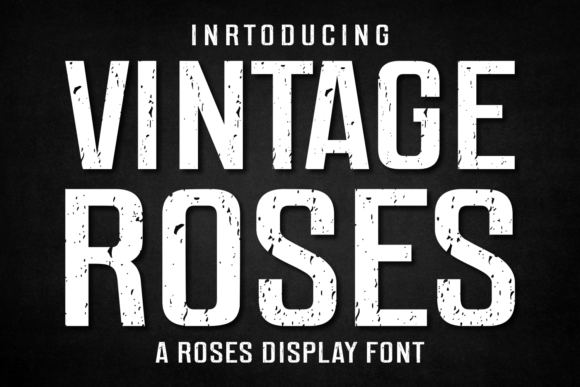
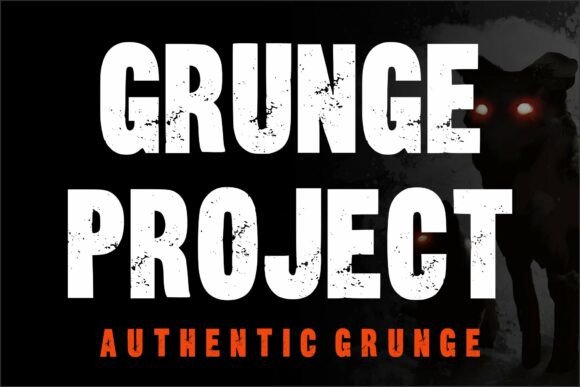
As a display font, Grunge Groovy commands attention without screaming. The distressed details give each letter a tactile quality, almost as if it were screen-printed by hand or pulled from a faded concert flyer. Yet the underlying structure remains clean enough to maintain legibility at larger sizes. This duality is what makes it such a versatile creative font—it works in contexts where you need personality without sacrificing clarity.
Real-World Applications That Actually Work
Let's get practical. A font is only as valuable as the projects it can serve, and Grunge Groovy opens doors across a surprisingly wide range of applications.
Branding and Logo Design: If your brand identity leans toward the artisanal, the indie, the rebellious, or the nostalgic, this typeface can become the cornerstone of your visual language. Picture a craft brewery logo, a vintage clothing label, or an independent record store's wordmark. The distressed texture communicates authenticity—it says, "We're not mass-produced." Pair it with a clean sans serif font for body copy, and you've got a brand system that feels cohesive and intentional.
Packaging Design: Shelves are crowded. Products that look like everything else get ignored. Grunge Groovy gives packaging an immediate point of differentiation. Whether you're designing labels for small-batch hot sauce, artisan coffee bags, or handmade soap, the retro-groovy aesthetic signals craftsmanship and personality. The textured lettering also photographs beautifully, which matters more than ever in an age where your product's packaging is often experienced first as a thumbnail on someone's phone.
Social Media Graphics: Platforms reward content that stops the scroll. A bold headline set in Grunge Groovy instantly breaks the visual monotony of a feed dominated by clean, minimalist sans serifs. Use it for quote graphics, announcement posts, story headers, or promotional banners. The font's personality does the heavy lifting, so you don't need elaborate layouts to make an impact.
Posters and Event Materials: Music festivals, art shows, pop-up markets, film screenings—any event that wants to project an edgy, creative energy benefits from this kind of typography. The distressed quality mimics the look of traditional screen printing, giving digital designs an analog soul that resonates with audiences who appreciate authenticity.
Merchandise: T-shirts, tote bags, stickers, hats. If you're selling branded merchandise, the font you choose becomes the product itself. Grunge Groovy's retro-distressed aesthetic has proven staying power in the merch world—it taps into a visual language that people genuinely want to wear and display.
Editorial Layouts and Blogs: Magazine headers, blog post titles, pull quotes, and chapter openers all benefit from a display typeface with personality. Grunge Groovy adds visual interest to long-form content without overwhelming the reading experience, especially when used sparingly as a headline or accent font alongside a more neutral body typeface.
Invitations and Print Materials: Wedding invitations with a vintage twist, concert flyers, zine layouts, greeting cards, and event programs—these are spaces where expressive typography shines. The groovy letterforms bring warmth and character, while the distressed finish keeps things from feeling too polished or generic.
Matching Typography to Your Project Goals
Choosing a font isn't just about aesthetics—it's about communication. Before reaching for Grunge Groovy (or any premium font), ask yourself what your project needs to say and to whom.
If your audience skews younger, creative, and culturally aware, the retro-groovy vibe will feel instantly familiar and appealing. If you're targeting a more corporate or traditional demographic, you might reserve it for accent pieces rather than primary headlines. Context matters enormously. A distressed display typeface that looks incredible on a concert poster might feel out of place on a financial services brochure—and that's perfectly fine. Good design is about making intentional choices, not about finding one font that does everything.
Consider the emotional tone of your project. Grunge Groovy communicates energy, nostalgia, rebellion, creativity, and warmth. If those qualities align with your message, you've found a strong match. If your project calls for precision, authority, or clinical minimalism, a different typeface will serve you better.
Font Pairing Strategies That Elevate Your Work
One of the most common mistakes in design is using a single expressive font for everything. Display typefaces like Grunge Groovy are most powerful when they're paired with complementary fonts that handle supporting roles.
A solid approach: use Grunge Groovy for headlines, titles, and short bursts of emphasis. Pair it with a clean sans serif font for subheadings and body text. The contrast between the textured, expressive display face and the neutral, readable body font creates visual hierarchy and keeps your layouts feeling balanced.
For projects that need a touch of elegance, consider pairing it with a refined serif font. The juxtaposition of rough and refined can create a sophisticated tension that feels editorial and intentional. Alternatively, a simple script font or handwritten font can complement the groovy personality for projects that lean into a handmade, DIY aesthetic.
The key is to test your pairings in context. Set real text, not just the alphabet. See how the fonts interact at actual sizes. Check readability on different screens and in print. A pairing that looks great in a font specimen might fall apart when applied to a real logo design or a social media layout.
Practical Considerations Before You Commit
Before integrating any new typeface into your workflow, a few practical steps will save you headaches down the road.
- Review the full character set. Check that Grunge Groovy includes the glyphs you need—uppercase, lowercase, numerals, punctuation, and any special characters relevant to your language or industry.
- Examine the included styles. Many premium fonts come with multiple weights or stylistic alternates. Understanding what's available helps you maximize the font's versatility across different applications.
- Test readability at your intended sizes. Distressed textures can reduce legibility at very small sizes. Make sure the font works for your specific use case, whether that's a billboard headline or a business card tagline.
- Understand the licensing. If you're using Grunge Groovy for commercial projects—client work, merchandise, products for sale—confirm that the license covers your intended use. Most commercial font licenses are straightforward, but it's worth verifying before you build an entire brand identity around a typeface.
- Consider your broader design system. A single font doesn't make a brand. Think about how Grunge Groovy fits into your larger toolkit of design assets, including your secondary fonts, color palette, imagery style, and layout principles.
Building Visual Consistency and Brand Recognition
Typography is one of the most powerful—and most underestimated—tools for building brand recognition. When you consistently use the same typeface across your touchpoints, you create a visual signature that audiences begin to associate with your brand before they even read the words. Grunge Groovy's distinctive personality makes it particularly effective for this purpose. Its textured, retro aesthetic is memorable enough to stick in someone's mind after a single encounter.
For small businesses and creative entrepreneurs, this kind of typographic consistency levels the playing field. You don't need a massive budget to look intentional and professional. You need a clear visual identity and the discipline to apply it consistently. A well-chosen display font, paired with thoughtful supporting typefaces and applied across your web design, social media, packaging, and print materials, creates the impression of a brand that knows exactly what it's about.
The goal isn't to use the loudest font available—it's to use the right font for your audience, your message, and your goals. If that font happens to carry the textured charm of a vintage record sleeve and the confident energy of a groovy era, you might just have found your typographic match.