Aroma Typeface: Blending Digital Precision with Classic Serif Elegance
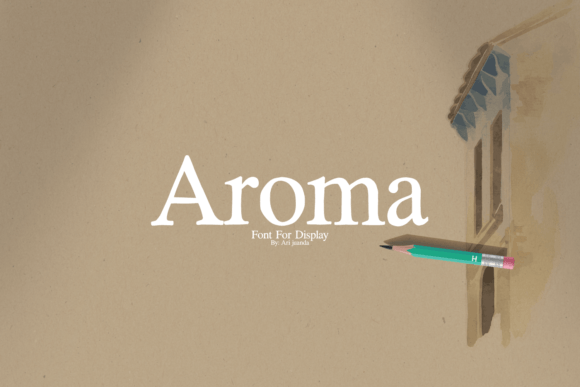
Every now and then, a typeface arrives that doesn’t just sit quietly on the page—it makes a statement. Aroma is one of those typefaces. Imagine the refined structure of a classic serif font like Times New Roman, but reimagined through the lens of modern digital craftsmanship. That’s the essence of Aroma: a typeface built with digital pencil strokes, blending the timeless beauty of serif typography with the fluidity and precision of contemporary design. It’s a font that feels both familiar and fresh, offering a unique tool for anyone looking to add depth, personality, and a touch of sophistication to their creative work.
What makes Aroma stand out in a crowded world of typefaces? It’s all in the details. The letterforms carry the elegance and readability of traditional serif fonts, but with a subtle, hand-drawn quality that gives them warmth and approachability. This isn’t a font that tries to mimic a bygone era—it’s a modern interpretation that respects typographic heritage while embracing the possibilities of digital design. The strokes feel intentional yet organic, creating a rhythm that guides the eye naturally across text blocks. For designers, marketers, and creators, this means Aroma can adapt to a variety of contexts without losing its distinctive voice.
Where Aroma Truly Shines: Practical Applications for Real Projects
One of the most compelling aspects of Aroma is its versatility. It’s not just a pretty face for headlines—though it certainly excels there. This typeface can be a workhorse across numerous design applications, helping to create visual consistency and strengthen brand identity. Let’s explore some of the ways Aroma can be put to use effectively.
Branding and Logo Design: Choosing the right font is a cornerstone of building a recognizable brand. Aroma’s blend of classic and modern makes it an excellent choice for logos that need to convey trustworthiness and creativity simultaneously. For a boutique coffee brand, a handmade cosmetics line, or a creative agency, Aroma can set a tone that feels both professional and approachable. Its serif roots suggest reliability, while the digital pencil stroke detail adds a contemporary, artisanal touch.
Editorial and Print Design: If you’re working on a magazine layout, a book cover, or a high-end brochure, Aroma brings a level of sophistication that elevates the entire piece. The font’s readability in longer text passages is a significant advantage, making it suitable for body copy in editorial spreads, while its display qualities make it striking for pull quotes and subheadings. Think of a fashion lookbook or a food magazine—Aroma can help create a cohesive visual narrative that feels curated and intentional.
Packaging and Merchandise: On a crowded shelf, packaging needs to tell a story quickly. Aroma’s elegant yet modern character can help products stand out. Imagine it on a wine label, a artisanal chocolate box, or even on apparel tags and merchandise. The font’s texture adds a tactile quality, even in digital or print, suggesting craftsmanship and attention to detail. For small businesses creating their own product lines, using a premium font like Aroma can instantly boost perceived value and professionalism.
Digital Presence: Websites, Blogs, and Social Media: In the digital realm, consistency is key. Aroma can serve as a primary typeface for a website’s headings, blog post titles, or even as a stylized font for key quotes in social media graphics. Its clarity on screen ensures readability, while its unique personality helps content stand out in a sea of generic sans-serif and script fonts. For content creators and bloggers, using a distinctive serif like Aroma can help establish a recognizable visual style that audiences remember.
Making It Work: Pairing, Readability, and Licensing
Integrating a new typeface into your workflow requires a bit of strategy. Aroma is a display font with strong character, so it’s wise to consider how it interacts with other design elements. A common and effective approach is to pair it with a clean, neutral sans-serif font for body text. This creates a clear hierarchy, allowing Aroma to shine in headlines and accents while ensuring longer passages remain easy to read. Think of Aroma for headings and a font like Open Sans or Lato for paragraphs—the contrast creates visual interest without sacrificing functionality.
Readability should always be a top consideration. While Aroma is designed with clarity in mind, it’s important to test it at various sizes and in different contexts. Check how it renders on different screens and in print. Ensure there’s sufficient contrast between the text and background, and pay attention to letter-spacing and line-height, especially for digital applications. A font’s beauty is lost if it causes eye strain.
Before diving into a large project, take the time to explore the full range of styles included with the Aroma typeface family. Does it come with multiple weights—light, regular, bold? Are there italic versions? Understanding the full toolkit allows you to use the font more dynamically, creating subtle variations within a design system for emphasis and structure.
Finally, a crucial practical step: licensing. If you plan to use Aroma for commercial projects—client work, products for sale, or business branding—ensure you have the appropriate commercial license. Most premium fonts require a license for commercial use, and respecting this supports the designers who create these valuable assets. Review the license agreement carefully to understand where and how you can use the font, whether for print, digital, merchandise, or all of the above.
A Thoughtful Choice for Meaningful Design
In a world saturated with visual noise, choosing a typeface like Aroma is a deliberate act. It’s for those who appreciate the history of typography but are firmly planted in the present. It’s for the entrepreneur who wants their brand to feel established yet innovative, the designer seeking a font with narrative depth, or the marketer aiming to create assets that truly connect. Aroma isn’t just about looking good—it’s about communicating a feeling, a standard, and a point of view. By thoughtfully integrating it into your projects, you’re not just selecting letters; you’re crafting an experience that resonates with your audience on a visual and emotional level.