Adding a Touch of Nature: The Flower and Leaf Doodle Typeface
Sometimes a project needs more than just words; it needs a feeling. You might be designing a wedding invitation that whispers of a garden party, a children's storybook that needs a playful, organic border, or a logo for a local florist that should feel fresh and approachable. In these moments, a standard sans-serif or elegant script can fall short. This is where a character-driven typeface like Flower and Leaf Doodle enters the picture, not as a replacement for your primary text fonts, but as a powerful decorative tool to inject personality, whimsy, and visual storytelling into your work.
More Than a Font: A Collection of Illustrations
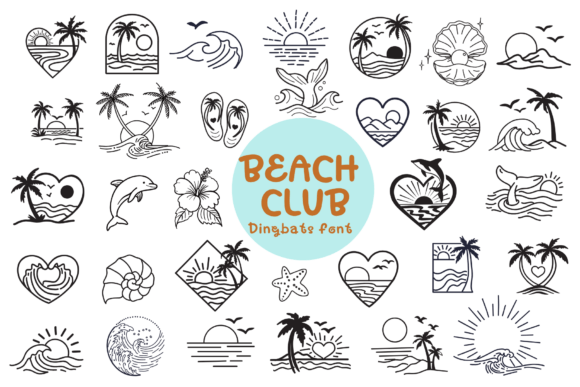
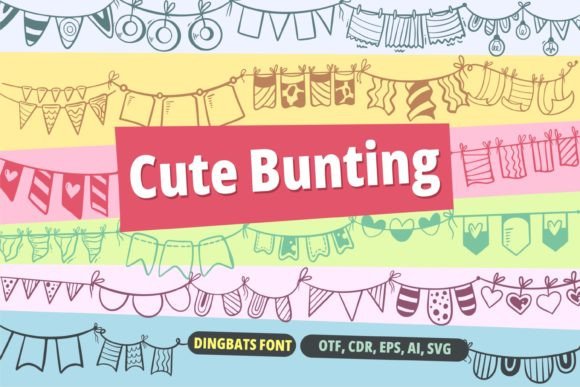
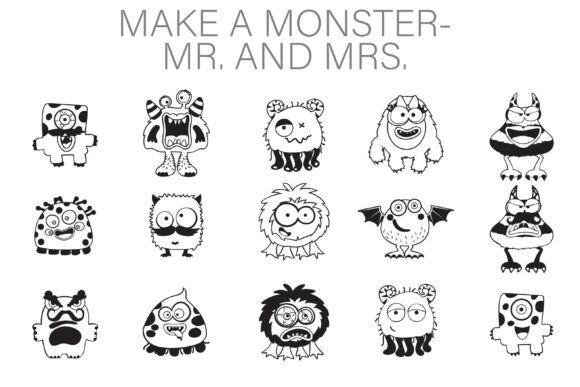
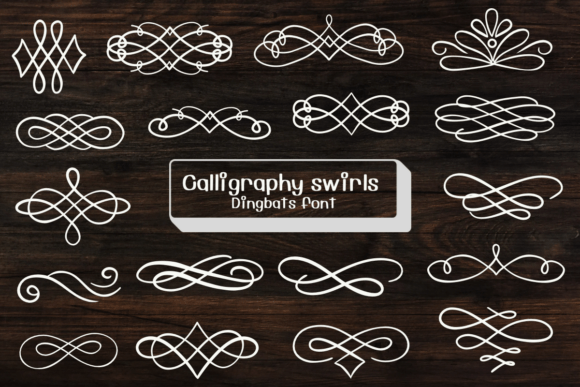
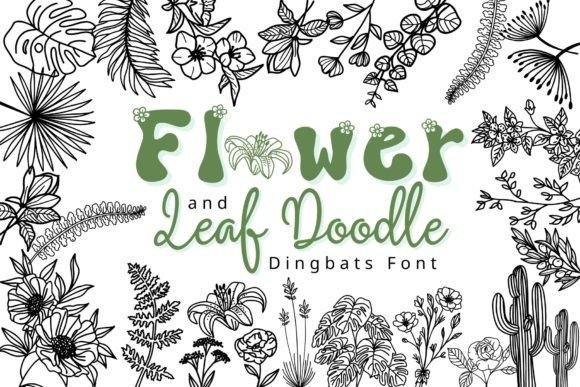
At its heart, Flower and Leaf Doodle is a dingbat font. This means that instead of typing letters and numbers, each key on your keyboard corresponds to a unique, hand-drawn illustration of a flower, leaf, sprig, or botanical element. This transforms your keyboard into a palette of charming design assets. The visual appeal lies in its consistent, handcrafted style—each doodle has a slightly imperfect, sketched quality that feels authentic and personal, avoiding the sterile look of generic clipart.
This aesthetic makes it incredibly versatile. The illustrations are detailed enough to be interesting but simple enough to remain clear at small sizes. They carry a certain cuteness without being childish, making them suitable for a wide range of audiences and projects. For a small business owner, this translates to a library of cohesive graphics that can be used across multiple marketing assets, ensuring visual consistency without needing to commission custom illustrations for every single touchpoint.
Practical Applications for Designers and Creators
The true value of a creative font like this is unlocked through its application. Its utility spans both digital and physical realms, offering solutions for common design challenges.
- Branding and Logo Design: A coffee shop could use a single doodle as a favicon or social media icon. A yoga studio might incorporate leaf motifs into its letterhead. The key is to use these elements as accent pieces to support, not overshadow, the primary brand identity. They add a layer of warmth and approachability.
- Packaging and Labels: For products like artisan soaps, candles, or gourmet teas, a small floral doodle can elevate a simple label, suggesting natural ingredients and handcrafted care. It’s a subtle cue that communicates quality and attention to detail.
- Invitations and Print Materials: This is a classic use case. Wedding invitations, baby shower announcements, and event flyers benefit immensely. The doodles can be used as dividers, corner accents, or scattered backgrounds to create a festive, personalized atmosphere.
- Social Media and Web Design: In the fast-paced world of digital content, unique visuals stop the scroll. Use the doodles to create custom bullet points in a blog post, frame a quote graphic for Instagram, or add a decorative element to a website's sidebar. They help break up text and guide the reader's eye, improving readability and audience engagement.
- Editorial and Merchandise: Think beyond the obvious. A newsletter could use a floral divider between sections. A t-shirt designer might use a cluster of doodles as a central chest graphic. For editorial design, they can add visual interest to margins and chapter headings in books or magazines.
Integrating a Display Font into Your Workflow
Using a display font like Flower and Leaf Doodle effectively requires a thoughtful approach. It's a specialty tool, not a workhorse for body copy. Here’s how to make it work for you:
- Choose Your Style Intentionally: Before you start, review all the glyphs included. Does the set offer single sprigs, clustered bouquets, or circular wreaths? Selecting the right illustration for the job—whether it’s a standalone icon or a repeating pattern—is your first creative decision.
- Master the Font Pairing: This is crucial. The doodles should complement your primary text. They often pair beautifully with clean, simple sans serif fonts for a modern look, or with elegant serif fonts for a more classic, romantic feel. A handwritten font for headlines could also work, but ensure the styles don’t clash. The goal is harmony, not competition.
- Test for Readability and Scale: Always test your design at the intended size. A doodle that looks lovely on screen might become a muddy blob when printed small on a business card. Conversely, ensure it has enough detail to look interesting when scaled up for a poster.
- Consider Commercial Licensing: If you’re using this for client work, merchandise for sale, or extensive commercial projects, verify the font’s license. Most premium fonts intended for commercial use come with clear licensing terms. Understanding these terms is a professional necessity that protects both you and your client.
Enhancing Visual Communication and Recognition
Ultimately, a tool like Flower and Leaf Doodle is about enhancing communication. The right visual element can convey a mood—in this case, one of nature, growth, delicacy, and charm—faster than a paragraph of text. For a brand, consistent use of these specific botanical illustrations can become part of its visual consistency, helping customers recognize its materials at a glance. It’s a subtle form of brand recognition built through aesthetic detail.
In a crowded marketplace, the details matter. The choice to use a unique, character-driven typeface for decorative elements shows a level of care and creativity that generic stock graphics cannot match. It helps your professional presentation feel more curated and intentional. Whether you are a content creator looking to beautify your digital platforms, a hobbyist crafting personalized gifts, or a creative entrepreneur building a brand from the ground up, having such a versatile design asset in your toolkit empowers you to bring a specific, charming vision to life with consistency and flair.